What Does the Oil Light on a Car Dashboard Mean?
Treat an oil light as low oil pressure: pull over safely, switch off the engine within a minute, and do not keep driving until you verify the level. Ignoring it can destroy bearings, camshafts, or a turbo in minutes. This guide shows the stop-check-decide steps and how to tell level, leak, pump, and sensor faults apart.
Why it’s a serious warning
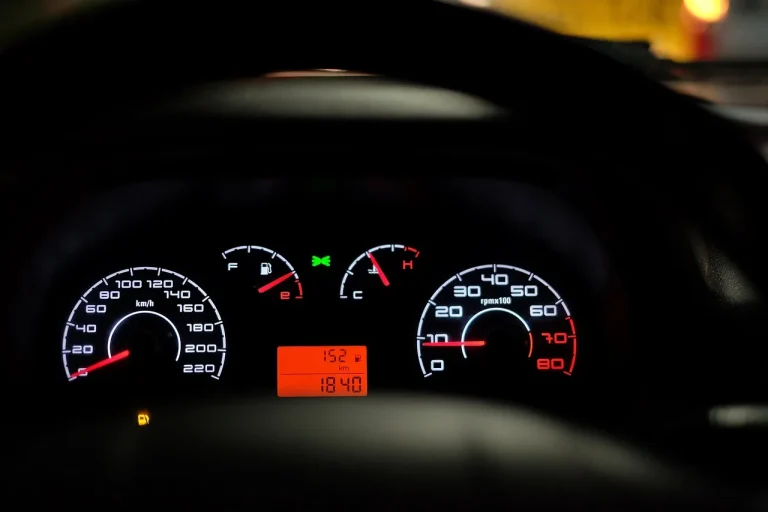
The oil pressure warning light is usually a red oil can symbol. It means the engine has detected a drop in oil pressure, and that is a lubrication problem, not a casual reminder. Red warning lights mean serious issues, so this one needs immediate action.
That matters because moving engine parts depend on pressurised oil film to reduce metal-to-metal contact. If pressure falls enough, the engine can suffer fast wear, broken parts, or full engine failure. The car handbook is still the best source for the exact meaning in your model, because warning-light layout and behaviour vary by vehicle.
Why the symbol is usually red
Carbuyer says the oil pressure warning light is red because the fault is serious. Red dashboard warning lights mean stop and investigate now. Amber usually means check soon, while blue and green are generally informational.
How it differs from the check engine light
The oil light is a pressure warning tied to engine lubrication. The check engine light is different: it can mean anything from a loose gas cap to a serious engine fault, and a blinking check engine light needs immediate attention. A steady check engine light is not an emergency, but it still needs checking soon. (Consumerreports)
A common first-timer mistake is to treat both warnings the same. They are not the same. The oil light is the one that can require an immediate stop, because pressure loss can damage engine parts very quickly.
What should you do first when the oil light comes on?
Pull over safely, switch off the engine, and do not keep driving while the light is on. Do not restart the engine just to “see if it clears.” The next move is to check the handbook for the exact warning-light guidance for your car, then decide whether a safe level check is possible.
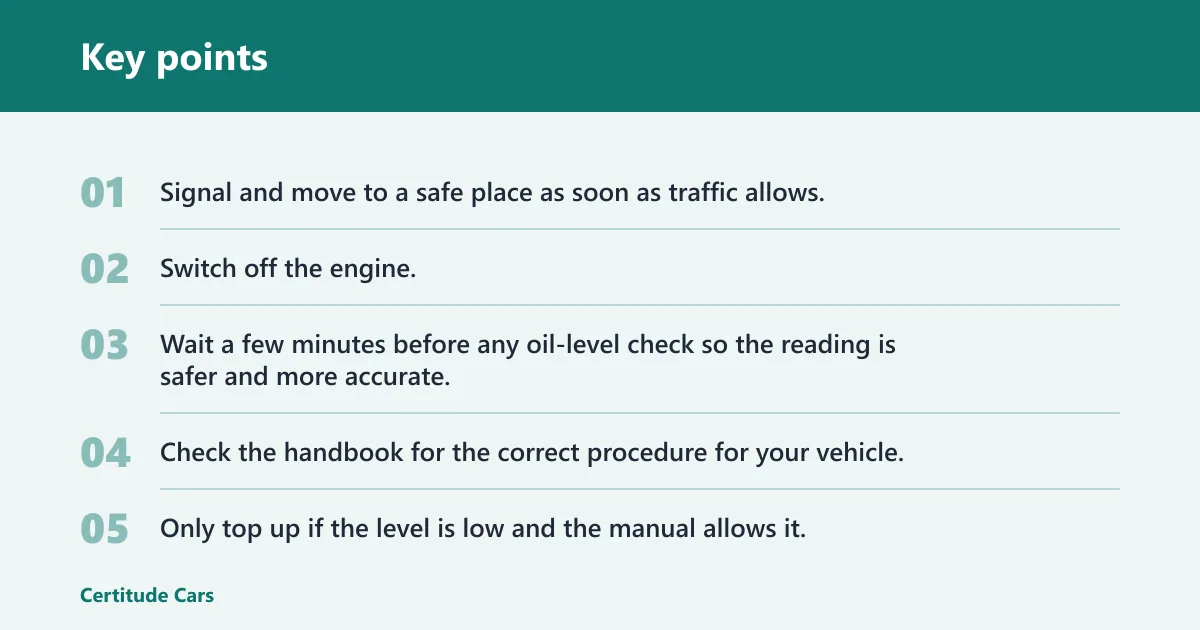
- Signal and move to a safe place as soon as traffic allows.
- Switch off the engine.
- Wait a few minutes before any oil-level check so the reading is safer and more accurate.
- Check the handbook for the correct procedure for your vehicle.
- Only top up if the level is low and the manual allows it.
- If the light stays on, or the cause is unclear, call roadside assistance or arrange a garage diagnosis.
Do not keep driving to “get home” or “reach the next petrol station.” If the warning is genuine, every extra mile can worsen the damage. Roadside assistance is the safer call when the light remains on after stopping or when you cannot confirm a simple low-oil condition.
Oil light triage table
| Pattern | What it most likely means | Safe checks | Do not do | Next action |
|---|---|---|---|---|
| Brief flicker at startup | Momentary pressure build-up after start, especially if it disappears almost immediately | Watch whether it clears within a second or two; check the handbook and oil level at the next safe stop | Do not ignore a flicker that lasts, repeats often, or appears when driving | If it is only an instant at startup, monitor it; if it repeats or stays on, stop and inspect |
| Steady red light while driving | Serious oil-pressure loss | Pull over safely and switch off the engine right away | Do not keep driving, do not restart, and do not “test” it by revving the engine | Stop, then arrange roadside assistance or a tow |
| Light on but oil level is normal | Possible pressure fault, oil pump issue, sensor fault, or wiring problem | Confirm the level using the handbook procedure; look for warning signs such as oil smell or drips under the car | Do not assume normal level means the engine is safe | Stop driving and book garage diagnosis or a tow if the light stays on |
| Light after recent oil change | Wrong amount of oil, wrong viscosity, filter issue, or an unrelated pressure problem exposed by the service | Check the level, service cap, and handbook details for the correct oil spec | Do not drive on while assuming the service fixed it | Return to the garage or call roadside assistance if the light remains on |
Can you drive with the oil light on?
No. If the oil pressure warning light comes on while driving, stop as soon as it is safe and switch off the engine. Driving with inadequate oil pressure can quickly damage moving engine parts and can lead to engine failure. If the light stays on after stopping, treat it as a tow or roadside-assistance situation.
Top up only when the oil level is actually low and the handbook allows it. That is the narrow case where a simple refill may solve the problem. If the light came on at speed, if the engine sounds rough, or if the cause is not obvious, do not restart and hope for the best.
Suppose you are in slow traffic and the red oil can light stays solid for more than a moment. That is not a “drive carefully” warning. It is a stop-now warning. A short delay to reach a safe pull-off is one thing; continuing to drive is another.
Why the oil light comes
Common causes include low engine oil, an oil leak, oil pump trouble, or a sensor or wiring fault. Carbuyer identifies low engine oil, oil leak, and oil pump issue as possible causes of the warning light. RAC treats it as an oil warning light problem with causes and solutions.
Low engine oil
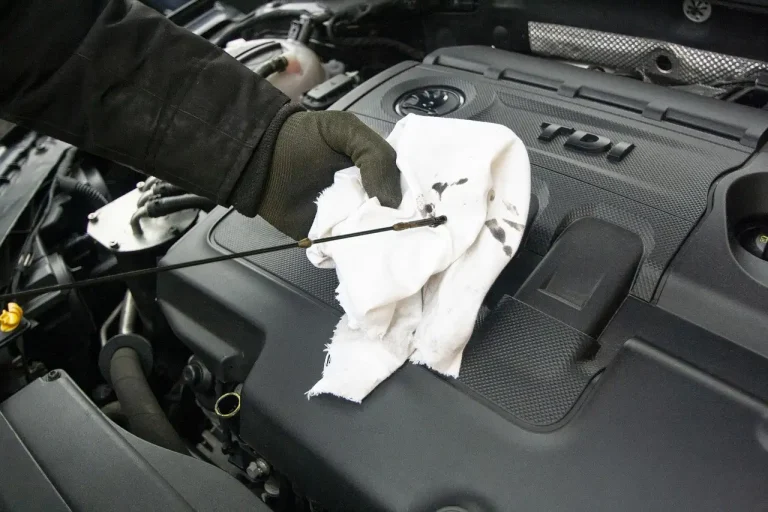
Low oil can trigger the warning because the pump may draw air instead of a full supply. If the level is below the recommended mark, top it up to the recommended amount with the correct oil. Viscosity and level both affect lubrication, so the right grade matters as much as the amount.
Oil leak
An oil leak can create rapid oil loss. That may leave the sump too low for safe pressure, especially if the leak is fresh or severe. Look for wet patches under the car, oily residue around the engine, or a burning-oil smell. Do not keep driving if the leak is obvious.
Oil pump failure
The oil pump can fail and cause oil pressure loss even when the level looks fine. That is a garage diagnosis, not a roadside guess. If the pump cannot build pressure, the engine may still be at risk even with oil present in the sump.
Sensor or wiring fault
Not every warning is caused by a mechanical oil problem. A faulty pressure sensor or damaged wiring can trigger the light. Even then, you should treat the alert seriously until a garage confirms the signal is false. A false warning is possible; a real pressure loss is the danger you cannot afford to miss.
Why level and pressure are not the same
Low oil level and low oil pressure are related, but they are not the same fault. A low level can cause low pressure, yet pressure can also fall with a normal level if the pump, pickup, filter, or sensor path is wrong. That is why the light is a pressure warning first.
Think of it this way: the dipstick tells you how much oil is available. The warning light tells you whether the engine is getting enough pressure to move that oil where it needs to go. You need both a correct level and a functioning pressure system for safe lubrication.
Say your car is a modern model with electronic oil-level sensing. It may display a level warning separately from the red oil pressure light, and the handbook will explain which is which. Older cars are more likely to rely on the red warning light and a dipstick check, so model-specific guidance matters.
What if the oil level looks fine?
If the oil level looks normal but the light remains on, think pressure fault first, not “all clear.” A normal dipstick reading does not rule out an oil pump problem, a blocked pickup, a wiring issue, or a sensor fault. The next step is garage diagnosis, not another trip.
If the light appeared right after an oil change, the service may have exposed a pre-existing issue or introduced a new one. The oil could be the wrong grade, the filter could be wrong or poorly fitted, or the system may simply have revealed a weak pump. That is another case where roadside assistance or a garage is the right move.
Do not restart the engine just because the level looks fine. If the oil pressure warning light is still on, the safe decision is to stop and arrange help.
Frequently asked questions
What does the oil light on a car dashboard mean?
It usually means the engine oil pressure has dropped. The symbol is normally a red oil can, and that red colour means serious trouble. It is an immediate stop signal, not a reminder to top up later. Check the handbook for your exact model’s warning-light behaviour.
Is it safe to drive with the oil light on?
No. If the oil light comes on while driving, pull over safely and switch off the engine. Continued driving can damage bearings and other moving parts very quickly. If the light stays on after stopping, arrange roadside assistance or a tow rather than restarting and trying to continue.
Does the oil light mean low oil or low oil pressure?
It means low oil pressure first. Low oil level can cause that pressure drop, but a normal oil level does not rule out a problem. An oil pump fault, a leak, or a sensor issue can also trigger the warning. That is why the two ideas must stay separate.
Why is the oil light red?
Red warning lights mean serious issues. The same source says the oil pressure warning light is red because the fault is serious, and that is the right way to treat it. Red means stop and act now; amber usually means investigate soon; blue and green are generally informational.
Why would the oil light come on if the oil level looks fine?
A normal level does not guarantee normal oil pressure. The oil pump may be failing, a pressure sensor may be faulty, or there may be a wiring problem. A recent oil change can also expose a service issue. If the light stays on, the next step is garage diagnosis.
What is the difference between the oil light and the check engine light?
The oil light is an immediate lubrication warning. The check engine light is broader and can mean a loose gas cap or a serious engine problem. A blinking check engine light needs immediate attention, while a steady one should still be checked soon. The oil light is the more urgent warning.