Why Is the Battery Light on While Driving?
A battery light while driving usually means the charging system is failing rather than the battery; a steady light means drive to service soon, while a flashing light or other warnings mean stop as soon as it is safe. Ignored, the car can stall, lose lights and steering assist, and leave you stranded. This guide explains steady, flickering, and warning-light combinations so you can judge urgency.
What the battery light means
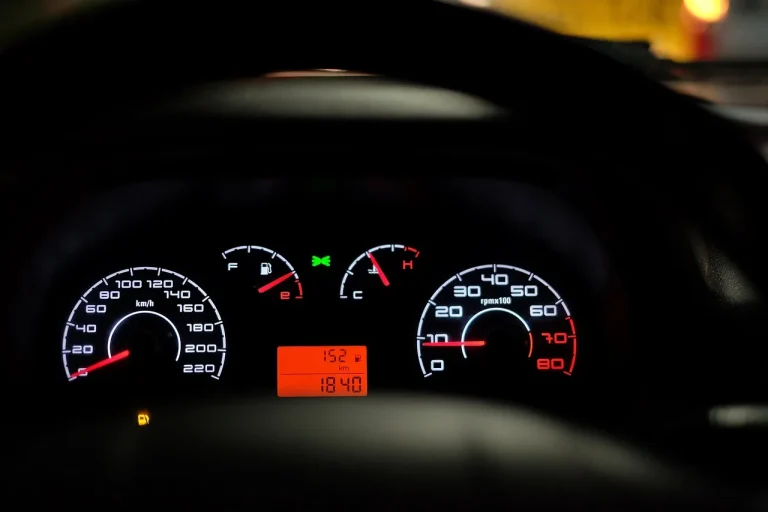
The charging-system light is a dashboard warning indicator that signals a charging-system fault while the engine is running. On many cars, it is the battery-shaped icon. If it stays on after startup, the alternator is not recharging the battery properly, or the circuit feeding that system has a problem.
A steady battery light usually points to a charging fault that needs prompt diagnosis, with the alternator often one likely cause. It can also come from loose or corroded battery terminals, a bad connection, a weak ground, a slipping serpentine belt, or a voltage regulator issue.
Why it appears while the engine is running
The warning is different from a brief light at startup. During cranking, the system often expects a temporary warning. While driving, the alternator should supply the car’s electrical needs and recharge the battery. If the light is on then, the battery is being used as a reserve, not being replenished.
A fully charged battery should register 12.6 volts or more with the car off. With the engine running, alternator output should read between 13.8 and 14.2 volts. If running voltage is lower, unstable, or drops under load, the charging system needs attention. (Thedrive)
What a steady light usually means
A steady light is the clearest sign of a charging-system fault. That does not automatically mean the battery itself is bad. A battery can be healthy and still go flat if the alternator is not producing enough current, or if the battery cables cannot carry that current to the system.
Picture a sedan that starts normally, then shows a steady battery light after five minutes on the road. The car may still feel normal at first. That does not clear the charging system; it only means the battery still has reserve power.
📊 A fully charged battery should register 12.6 volts or more. Source: Thedrive.
Is it bad to drive with the battery light on?
Yes, it can be. A battery light while driving means the battery is not recharging properly by the alternator, so the car is running on stored battery power until that reserve is used up. You may be able to drive only a short distance, but the risk rises fast if the light stays on or other warnings appear.
When you can keep going briefly
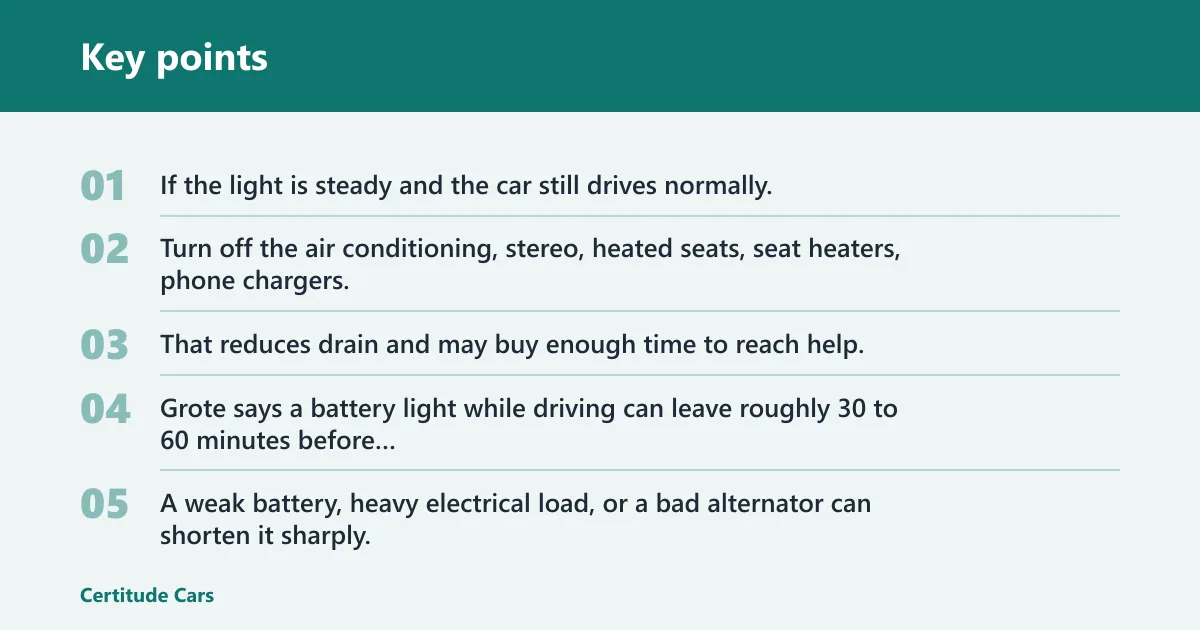
If the light is steady and the car still drives normally, the safest move is usually to head straight to a nearby shop while cutting electrical load. Turn off the air conditioning, stereo, heated seats, seat heaters, phone chargers, and other nonessential loads. That reduces drain and may buy enough time to reach help.
Grote says a battery light while driving can leave roughly 30 to 60 minutes before shutdown, but that window changes with battery condition, accessory use, and the fault itself. A weak battery, heavy electrical load, or a bad alternator can shorten it sharply.
When to stop right away
If overheating or loss of power steering occurs, the engine should be turned off immediately. That combination can mean the serpentine belt has slipped or broken, and that belt may also drive the water pump. If the temperature climbs or steering suddenly gets heavy, do not keep pushing the car.
Say your steering wheel suddenly turns much harder at a stoplight and the temperature gauge starts climbing. That is no longer a simple charging-light warning. It points to a belt or drive problem that can become a breakdown fast.
Why the battery can die even if the car still runs
The engine can keep running for a while after the alternator stops charging because the battery is supplying the system. That reserve does not last long if headlights, blower motor, defroster, and infotainment are all on. Once voltage falls far enough, the engine can stall and may not restart.
Why does the light flicker or flash?
A flickering or flashing battery light usually points to an intermittent fault rather than a constant failure. Common causes include a slipping belt, weak battery terminals, a bad ground, wiring that opens and closes with vibration, or a voltage regulator problem. The pattern matters because it can tell you when the fault happens.
Idle-related flicker and low alternator output
If the light flickers at idle and improves with higher engine speed, the alternator may be weak at low RPM. That can happen with worn internal parts, diode failure, or a regulator problem. It can also happen when a loose connection makes charging unstable only when output demand changes.
Modern charging faults do not always fail in a clean, permanent way. A light that comes and goes may still mean the system is near failure. Treat it as a warning, not a nuisance.
Rain, moisture, and belt slip
If the light flashes in rain, moisture may be reducing belt grip or affecting an exposed connection. A serpentine belt drives the alternator and can affect power steering and water pump function. If the belt is cracked, glazed, loose, or contaminated, it can slip enough to cause charging dips.
Grote identifies a broken or slipping serpentine belt as a common cause with sudden heavy steering and temperature climb. That pattern is urgent because it can affect more than one system at once.
Bumps, wiring, and grounding faults
If the light comes and goes after bumps, vibration is probably opening a weak connection. Look at battery terminals, cable ends, ground straps, and nearby wiring. A loose fuse link, damaged connector, or poor ground can interrupt charging for a second, then reconnect when the car settles.
A common first-timer mistake is assuming an intermittent light is “just the battery.” If the warning appears after a pothole or rough road, the fault may be in the connection, not the battery cells themselves.
Battery light symptom map
This table helps separate symptom patterns that point to different faults. Use it to decide whether to keep driving, inspect today, or stop immediately.
| Symptom pattern | Likely cause | Quick roadside check | Whether to keep driving | Urgency level |
|---|---|---|---|---|
| Steady light | Charging fault, often alternator output loss | Check battery terminals, belt condition, and whether lights dim at idle | Yes, but only to a nearby shop with reduced electrical load | Inspect today |
| Flickering at idle | Weak alternator output, bad connection, bad ground, or regulator issue | Rev slightly and see whether the light changes with engine speed | Short trip only, if no other warning appears | Inspect today |
| Flashing in rain | Belt slip, moisture on connections, or unstable charging under load | Look for a wet or glazed belt and loose cable ends | Only if the car runs normally and steering stays normal | Inspect today |
| Light plus power steering loss | Serpentine belt slip or break, possibly with water pump loss too | Check for heavy steering and belt movement or missing belt | No | Stop immediately |
| Light plus overheating | Possible belt failure or water pump issue | Watch the temperature gauge and any steam or coolant smell | No | Stop immediately |
| Light that comes and goes after bumps | Loose terminal, weak ground, damaged wire, or fuse link problem | Wiggle-free visual check of cables and grounds with engine off | Only to reach a repair spot if the car remains stable | Inspect today |
What should you check first?
Start with the easiest faults to see and fix. Battery terminals and cable condition come first, then the serpentine belt, then visible wiring and grounds. These checks can reveal a simple roadside issue before you assume the alternator has failed.
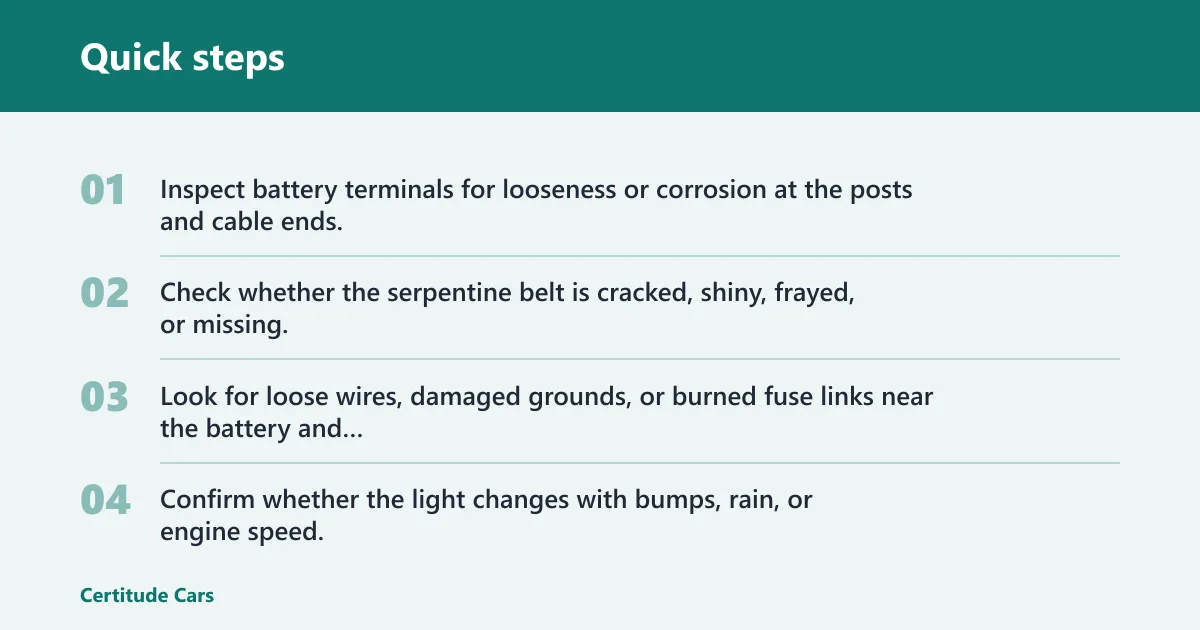
- Inspect battery terminals for looseness or corrosion at the posts and cable ends.
- Check whether the serpentine belt is cracked, shiny, frayed, or missing.
- Look for loose wires, damaged grounds, or burned fuse links near the battery and alternator.
- Confirm whether the light changes with bumps, rain, or engine speed.
Battery terminals and cable condition
Loose or corroded battery terminals are first checks because they can interrupt charging and can sometimes be fixed at the roadside. If the clamps move by hand or the posts show white or green buildup, that connection may be part of the problem. Tightening and cleaning can restore contact.
Serpentine belt condition and tension
The serpentine belt drives the alternator and can affect power steering and water pump function. A worn belt may slip under load, especially in wet weather or at idle. If the belt looks damaged or oily, do not ignore it. A failure here can create several symptoms at once. (Wikipedia)
Visible wiring, grounds, and fuse links
Check for rubbed insulation, dangling connectors, and obvious damage around the alternator and battery. A bad ground can mimic a weak alternator because the system cannot complete the circuit cleanly. If the light appears after repairs or battery work, a loose connection may have been left behind.
How do you test battery and alternator voltage?
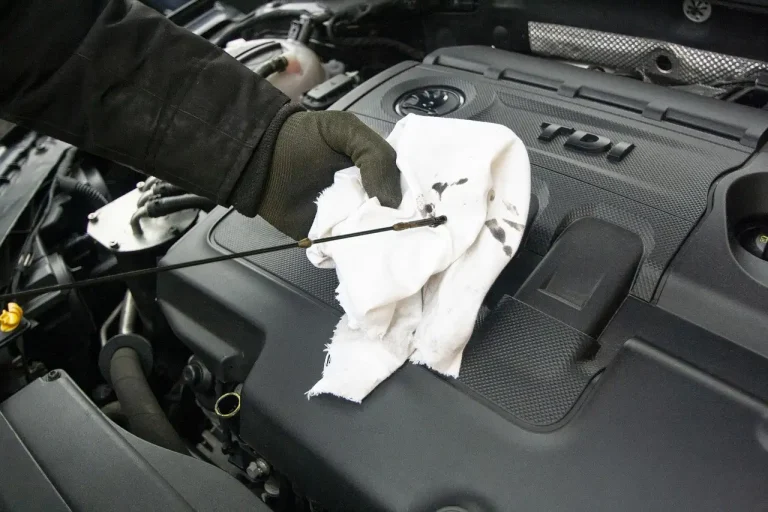
A multimeter is the core DIY diagnostic tool for checking resting battery voltage and alternator output with the engine running. Use it to separate a weak battery from a charging fault. The key is to test both the battery at rest and the charging system under operation.
Resting battery voltage with the car off
With the engine off and the car sitting long enough to settle, a fully charged battery should read 12.6 volts or more. Les Schwab says a 12-volt battery reading under 11.8 volts is dead. A low resting reading points toward battery state, but it does not prove the alternator is good.
Running voltage with the engine
With the engine running, alternator output should read between 13.8 and 14.2 volts. The same source lists alternator output at 13.5 to 14.5 volts as healthy. If the reading stays near battery voltage, falls under load, or swings wildly, the charging system likely has a fault.
What low or unstable readings suggest
Low resting voltage suggests the battery may be discharged or worn out. Low running voltage points more toward the alternator, regulator, belt, or wiring. If voltage changes when you turn on headlights, rear defrost, or the blower, the system may be struggling under electrical load.
Suppose the battery reads 12.7 volts with the car off, but running voltage stays at 12.4 volts. That pattern says the battery is charged but the alternator is not keeping up. The warning light is then a charging-system problem, not a simple battery problem.
How far can you drive before it dies?
There is no fixed distance. The answer changes by battery state and load. A healthy battery, light accessory use, and a partial charging fault may buy some time. A weak battery, night driving, or heavy electrical load can end the trip much sooner.
How to reduce electrical load on the way to a shop
Turn off unnecessary electrical accessories to conserve power when the battery light comes on. Shut off the air conditioning, stereo, heated seats, seat heaters, phone chargers, and other nonessential loads. Keep headlights on if required for safety, but avoid anything not needed to stay legal and visible.
Drive directly to a repair shop or safe parking spot. Avoid detours, stop-and-go errands, and long idling. Idling with a failing charging system wastes the remaining reserve without getting you closer to a fix.
Signs the battery is nearly drained
Dim headlights, slow window motors, lazy blower speed, warning lights multiplying, or rough running are signs the reserve is dropping. If the dashboard gets dim or the engine begins to stumble, the voltage is falling fast. At that point, keep moving only if it is the shortest safe path to help.
Frequently asked questions
Why is the battery light on while driving?
It usually means the charging system is not recharging the battery as it should. The alternator is the first suspect, but loose battery terminals, a slipping serpentine belt, a bad ground, or a voltage regulator problem can also trigger it. Treat a steady light as a prompt to inspect soon.
Why is the battery light flickering while driving?
A flickering light usually points to an intermittent charging fault. Common causes include a weak alternator at idle, a slipping belt, loose terminals, a bad ground, or a regulator issue. If it changes with bumps, rain, or engine speed, that pattern helps narrow the cause.
Why is my battery light flashing while driving?
Flashing can mean the charging system is dropping in and out instead of failing all at once. Moisture, belt slip, or a loose connection can create that pattern. If it flashes with power steering loss or overheating, stop as soon as it is safe.
Why is my brake and battery light on while driving?
That combination can point to a larger electrical or charging fault, since both systems may be affected by low system voltage. It can also mean a separate brake issue is present at the same time. If the brake warning is red or steering assist is affected, do not keep driving.
Why would my battery light come on while I’m driving?
Because the charging system has stopped keeping the battery supplied while the engine is running. That can happen from alternator failure, belt slip, bad terminals, wiring damage, or a bad regulator. The key clue is whether the light is steady, flickering, or joined by other warnings.