What Tire Size Do I Need for My Vehicle?
Use the tire size listed on the vehicle placard in the driver’s side door jamb. If the vehicle is stock, you can also match the exact size printed on the current tire sidewall. Wrong sizing can affect speedometer accuracy, ABS, clearance, load capacity, and tire wear. This guide shows how to find the factory size, check safe alternates, and handle spare, chain, and staggered setups.
Find your tire size
A common first place to check is the driver’s side door jamb placard. It usually lists the factory-recommended tire size and the cold inflation pressure, and it may show different front and rear sizes on vehicles with staggered fitments. If that label is missing or hard to read, use the owner’s manual or glove box label as backup sources.
Read the driver placard. Look at the driver’s side door frame or door jamb label first. This is the factory reference for tire size and cold pressure, and it is the best starting point before you compare anything else.
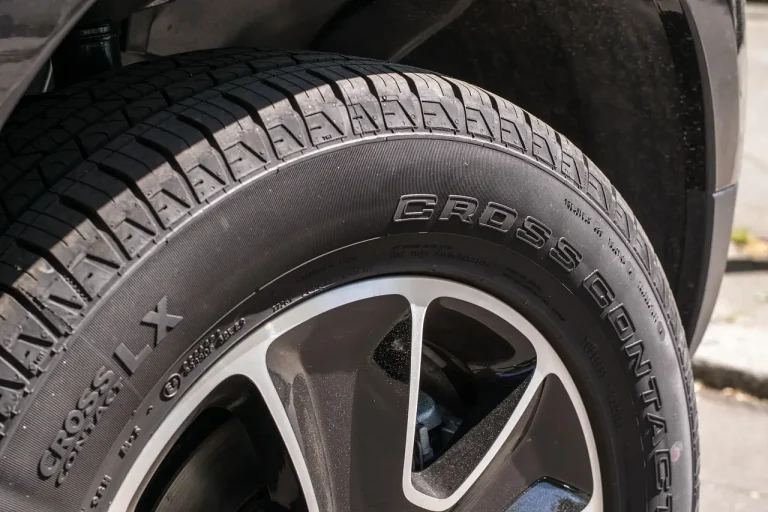
Confirm the current sidewall code. Check the tire sidewall on the mounted tire for the size code. If the vehicle is stock, that code should match the placard; if it does not, treat the sidewall as a record of what is on the vehicle now, not proof that it is correct.
Check the backup sources. Open the owner’s manual and, on some vehicles, the glove box door label. These can confirm the correct size and pressure when the placard is worn, missing, or replaced.
If the placard and sidewall disagree, trust the placard and the manual first. The sidewall only tells you what tire is mounted. It does not prove that the tire is the right one for the vehicle, wheel, or trim.
Say your compact SUV wears 225/65R17 tires, but the sidewall on one wheel shows a different size after a previous owner swapped tires. The correct next move is to check the door placard and owner’s manual, then verify whether the current size is a safe alternate or simply the wrong fitment.
How do you read a tire size?
A tire code such as P225/65R17 gives the basic dimensions of the tire and wheel pairing. In that example, 225 is the width in millimeters, 65 is the aspect ratio as a percentage of width, R means radial construction, and 17 is the wheel diameter in inches. The load index and speed rating appear elsewhere in the size string or adjacent markings and matter for fitment.
Width, aspect ratio, and rim diameter
Width is the section width of the tire. Aspect ratio is the sidewall height as a percentage of that width. Rim diameter must match the wheel the tire mounts on. A 17-inch tire will not fit a 16-inch wheel, and the wheel diameter by itself does not provide the full tire size.
Construction letter and load index
The R in a code such as P225/65R17 indicates radial construction. That is the common construction for passenger vehicles. The load index is the next fitment checkpoint. It must meet or exceed the vehicle requirement, or the tire can be under-rated for the vehicle’s weight and use.
Speed rating and why it matters
The speed rating is part of the size and performance spec, not a cosmetic detail. If you choose a different tire, the replacement should meet the vehicle’s requirements for speed rating as well as load. Changing size can also change speedometer readings and gearing, especially if the overall diameter changes.
What size tires do you need for your vehicle?
The safest starting point is the OEM size listed on the placard. That is the fitment the vehicle maker selected for the trim, suspension, wheel package, and load targets. Always match the year, make, model, and trim, because the same vehicle can carry more than one valid size depending on equipment.
Check year, make, model, trim
Vehicle-specific fitment matters. A base trim and a sport trim can use different tire sizes, different wheel diameters, or different load ratings. If you shop by body style alone, you can end up with a tire that looks close but misses the actual fitment requirements.
Watch for staggered front and rear fitments
Some vehicles use different front and rear sizes from the factory. That is common on certain performance models and some rear-drive vehicles. If the placard lists two sizes, you need to keep the axle-specific fitment pattern intact unless a vehicle-specific guide says otherwise.
A common first-timer mistake is buying the same size for all four corners because the old tires look similar. On a staggered setup, that can put the wrong width or diameter on one axle and create fitment, handling, or control-system problems.
Can you use a different tire size?
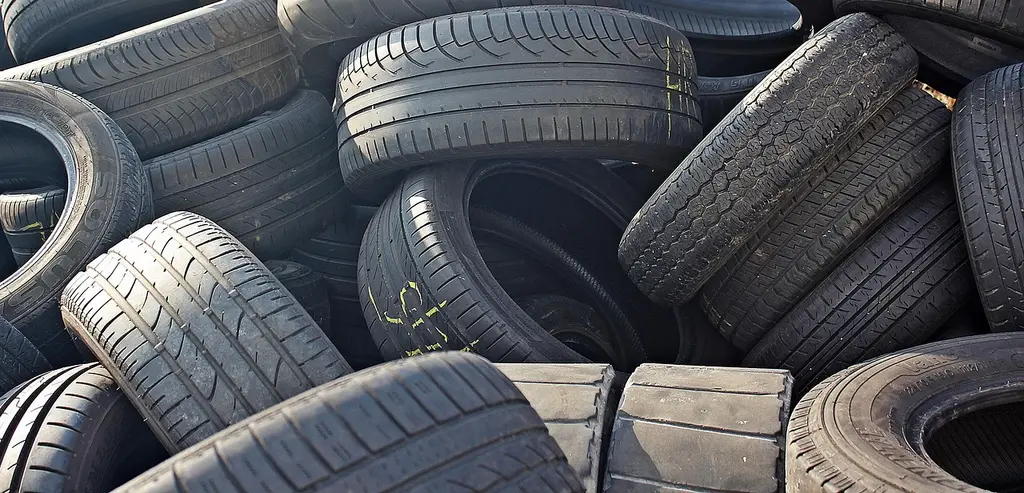
Yes, but only when the alternate size stays within safe limits for the vehicle, wheel, and intended use. Any change should be checked for overall diameter, width, load index, speed rating, and clearance. If those do not line up, the alternative is not a safe fitment even if it looks close.
Speedometer, odometer, and control-system effects
Changing tire size can alter speedometer and odometer accuracy because the tire may travel a different distance per revolution. Car and Driver warns that going beyond manufacturer size affects gearing and changes speedometer readings. On modern vehicles, those changes can also affect ABS and stability control behavior.
Clearance, rubbing, and load limits
Wider or taller tires can rub at full steering lock or during suspension compression. That risk rises when the tire grows in diameter or section width. Load capacity matters too. A tire with the wrong load index may not support the vehicle’s requirements, even if the wheel diameter matches.
Suppose a sedan is listed for 225/45R17, and an owner wants a wider 245 tire for appearance. If the replacement changes overall diameter and pushes the shoulder outward, the result can be rubbing on turns, a speedometer error, or both. The visual fit is not enough.
When an alternate size makes sense
Use an alternate size only when a vehicle-specific fitment guide, retailer lookup, or the owner’s manual confirms the swap. That matters most for winter setups, towing use, and vehicles with limited inventory. Even then, keep the fit within the vehicle’s diameter, load, and clearance limits.
Tire size fitment checklist
This checklist helps you compare sources before you buy. Use it to sort out door placard data, sidewall markings, and manual information, especially when you are looking at a used vehicle or a car with mixed tires.
| Source of size | What to verify | What to do if sources conflict |
|---|---|---|
| Door placard | Width, aspect ratio, rim diameter, load index, speed rating, cold inflation pressure | Use the placard as the factory reference and compare it with the manual |
| Sidewall | Current size code, load index, speed rating, whether all four tires match | Treat it as the mounted tire’s size, not the final authority for fitment |
| Owner’s manual | Approved tire sizes, pressure specs, front and rear fitments, special cases | Use it as backup confirmation when the placard is missing or hard to read |
Match the basic dimensions. Compare width, aspect ratio, and rim diameter across the placard, the sidewall, and the manual. If any one of those differs, stop and verify the fitment before buying.
Check load and speed. Make sure the replacement meets the required load index and speed rating. A close-looking size with a lower rating can be the wrong tire for the job.
Confirm clearance. Look for rubbing risk at full steering lock and under suspension compression. If the tire is wider or taller than stock, clearance becomes a fitment check, not a guess.
Stop and use a guide. If the vehicle has staggered sizes, AWD-specific limits, or a missing placard, use a tire retailer’s fitment guide or a vehicle lookup tool before ordering.
What about spares, chains, and wheel size?
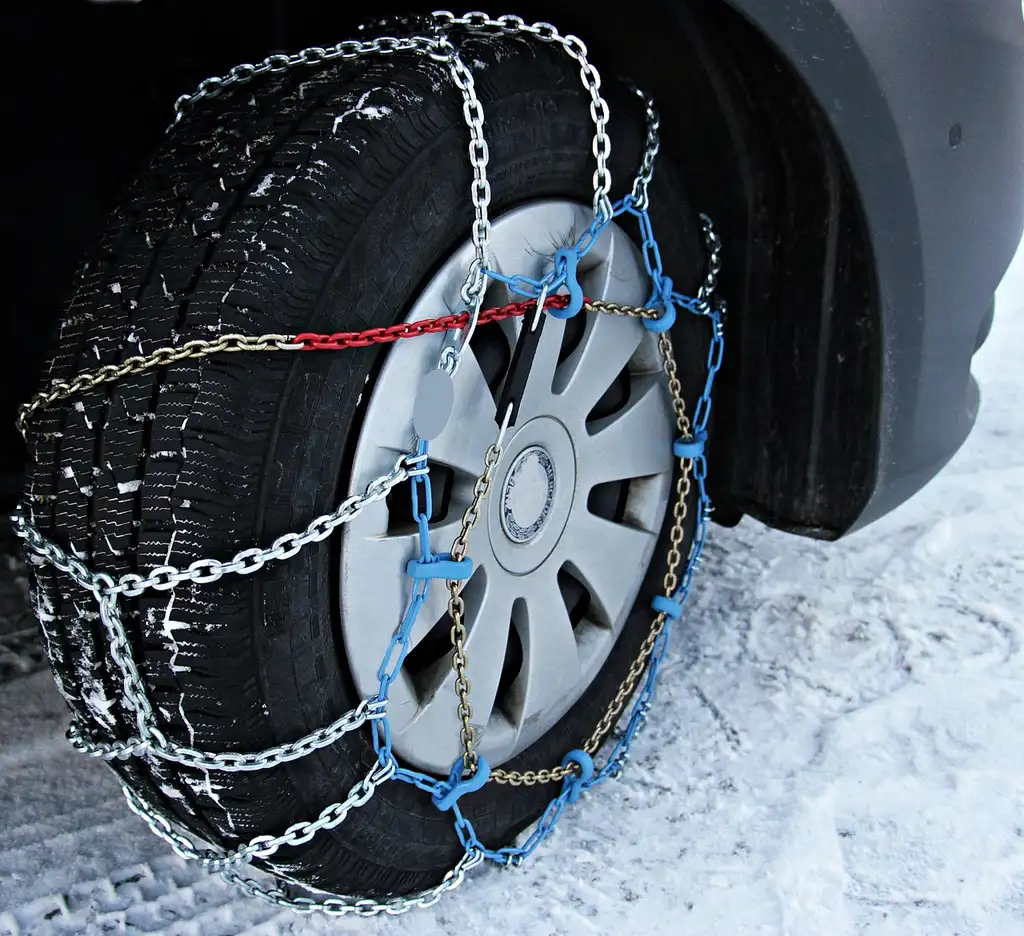
Spare tire fitment, chain sizing, and wheel size are separate questions. A spare can have a different diameter or profile from the road tires, especially if it is a compact donut spare. Tire chains must match the tire dimensions and wheelhouse space, while wheel size only tells you the rim diameter, not the full tire fit.
Spare tire and spare wheel fitment
What size spare tire do you need for your car depends on the vehicle’s spare provision. Some cars carry a full-size spare that matches the road tires, while others use a compact temporary spare with its own limits. The owner’s manual is the place to confirm size, pressure, and any speed or distance restrictions.
What size spare wheel do you need for your car? The wheel must match the spare tire and the hub fitment. A spare wheel that fits the car’s bolt pattern but carries the wrong tire diameter can still create clearance or ABS issues if it is used beyond its intended purpose.
Tire chain sizing
What size tire chains do you need for your car? Use the actual tire dimensions, not just the wheel diameter. Chain fit depends on section width, sidewall shape, and the space inside the wheelhouse. If the chains are too tight or too large, they can damage the body, suspension, or tire.
Why wheel size is not the same as tire size
What wheel size do you need for your car is a separate question from tire size. The wheel diameter is one part of the tire code, but the full fitment also includes width, aspect ratio, load index, and speed rating. A 17-inch wheel tells you only the rim size, not the correct tire by itself.
Picture a crossover with 17-inch wheels and 225/65R17 tires. If someone buys a 17-inch replacement wheel and assumes any tire marked 17 will work, that misses width, load, and clearance checks. The rim size is necessary, but it is not the whole answer.
Frequently asked questions
What size tires do I need for my vehicle?
Start with the driver’s side door jamb placard, then confirm the size in the owner’s manual if needed. That factory size is the safest starting point because it is tied to the vehicle’s weight, wheel package, and calibration. If you change size, verify diameter, width, load index, speed rating, and clearance.
What tyre size do I need for my car?
Use the same process as tire size in any market spelling: placard first, then manual, then the sidewall as the record of what is currently mounted. The spelling does not change the fitment rule. The vehicle’s year, make, model, and trim still decide the correct size.
What size tires do I have on my car?
Read the sidewall of one of the mounted tires. The code will show the width, aspect ratio, construction, and rim diameter, such as P225/65R17. If the vehicle has been modified or has mixed tires, compare that code with the placard and manual before assuming it is correct.
How do I find the right tire size for my car?
Check the driver’s side door jamb placard, then confirm the owner’s manual and any glove box label. After that, compare the current sidewall size to the factory size and look for front and rear differences. If you want an alternate size, use a fitment guide and check load, speed, and clearance.
Where can I find the tire size on my vehicle?
The size can be found on the driver’s side door frame, in the glove box door on some vehicles, in the owner’s manual, and on the tire sidewall. The placard is the best source for factory fitment and cold inflation pressure. The sidewall tells you what is currently installed.
Can I use a different tire size on my car?
Sometimes, but only after checking overall diameter, width, load index, speed rating, and clearance. A different size can change speedometer readings, gearing, handling, ABS or stability control behavior, and rubbing risk. If the vehicle is AWD or staggered, the limits are stricter.
What size spare tire do I need for my car?
Use the owner’s manual and the spare tire label, if equipped, because the spare may be a compact temporary tire rather than a full-size match. The spare must be the correct size for the vehicle’s intended emergency use and must be used within its speed and distance limits.
How do I read the tire size on the sidewall?
Read the code from left to right. In P225/65R17, 225 is width in millimeters, 65 is aspect ratio, R means radial construction, and 17 is wheel diameter in inches. Check the load index and speed rating as part of the full fitment, not as optional extras.