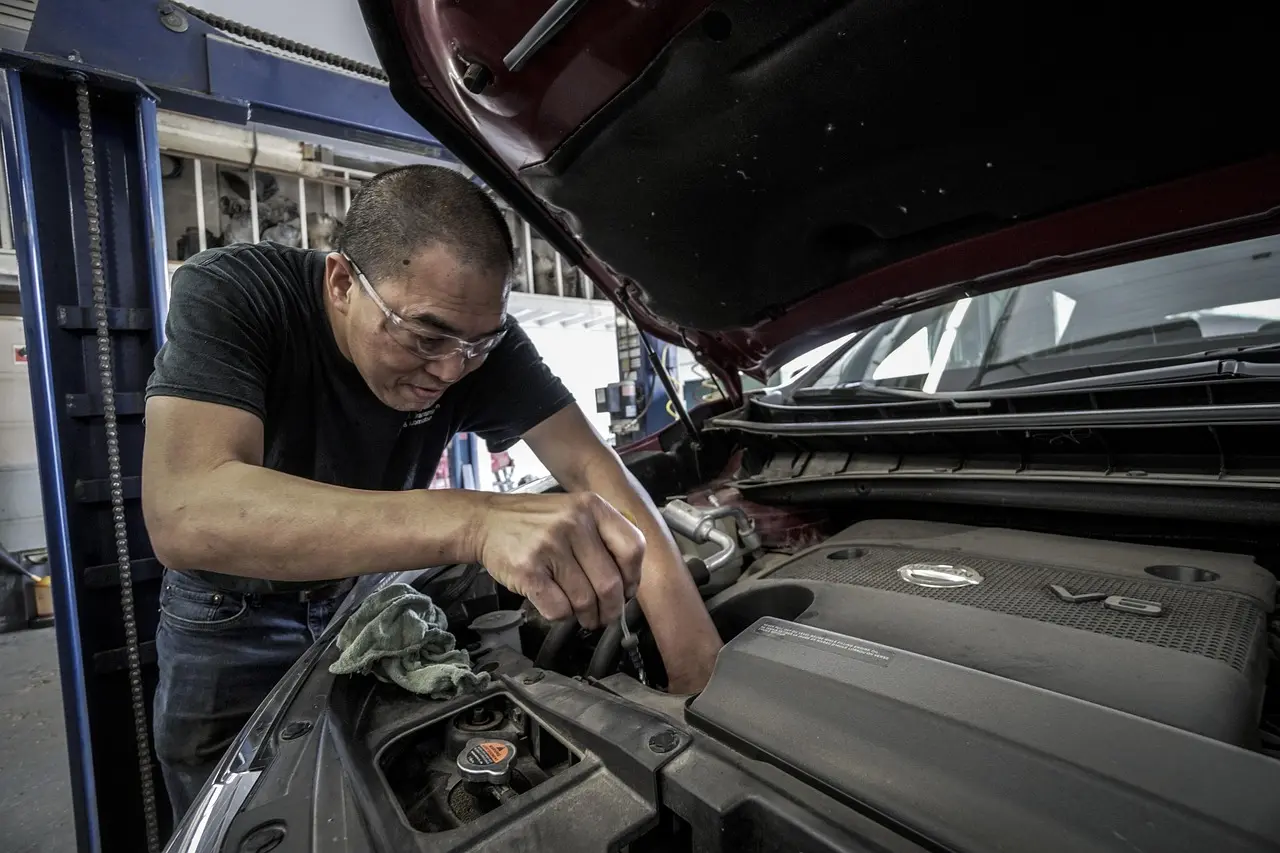
Maintenance Costs vs Repair Costs: What’s the Difference?
Maintenance costs are planned service items that keep a car operating on schedule; repair costs fix a fault after a part, system, or connection has failed. Count oil changes, filters, brake pads, and tires as routine spending, and read invoices carefully when a “repair” may really be delayed maintenance. This guide separates maintenance, wear items, and repairs so you can budget and read shop estimates correctly.
| Factor | Maintenance costs | repair costs | Winner |
|---|---|---|---|
| Timing | Planned or scheduled around service intervals | Triggered by a breakdown, fault, or warning sign | Maintenance costs |
| Budget predictability | Usually easier to plan from the service schedule | Less predictable, especially with tow fees or after-hours labor | Maintenance costs |
| Typical bill size | Often lower and spread across ownership | Can rise quickly if parts, labor, and collateral damage stack up | Maintenance costs |
| Downtime risk | Usually low if handled on schedule | Often higher because the car may already be disabled | Maintenance costs |
| Grey-area items | Includes routine replacements and inspections when scheduled | Includes the same parts when they fail unexpectedly | tie |
Understanding proactive upkeep versus reactive fixes
Maintenance costs are planned service, inspections, and replacement of parts on a set interval. Repair costs are reactive spending after a part fails, a system malfunctions, or the car stops working. The same part can move between categories depending on why you replace it.
Cost type
Maintenance spending is usually easier to predict because the interval is known or can be estimated from mileage and age. Repair spending is less predictable because the final bill can include diagnostic time, parts, labor, towing, and sometimes damage caused by the original failure.
Wear items fit in the middle
Brake pads, tires, belts, batteries, and fluids are commonly discussed as wear items. That label helps, but it does not make them maintenance by default. Replace them on schedule, and they fit maintenance budgeting; replace them after early failure or damage to another part, and the bill starts to look like a repair.
What changes over ownership time
Early ownership usually leans toward scheduled service and warranty-covered issues. As mileage rises, wear items show up more often, and older cars are more likely to need corrective repair instead of routine service. Small complaints on paper can also grow when service has been skipped for months or years.
What counts as maintenance on a car?
Maintenance on a car is scheduled service meant to prevent failures, cut long-term costs, and keep systems working normally. It usually includes inspections, cleaning, lubrication, replacement, and calibration done at planned intervals rather than after a breakdown.
Routine service items
Routine maintenance examples include oil changes, tire rotations, brake inspections, and fluid top-ups. Filters, spark plugs, alignment checks, and cabin filters can also belong here when the service schedule calls for them. The key point is timing: you do the task before the car fails.
Preventive maintenance
Preventive maintenance is scheduled service meant to stop breakdowns before they start. It works best when you follow the manual or service schedule and keep records of what was done and when. That record matters because it helps separate normal upkeep from a later repair claim.
Scheduled intervals and records
Most maintenance is easier to budget when you can point to a mileage interval or time interval. A shop invoice, maintenance log, or service reminder gives you a paper trail. That helps when you need to show that an oil change, rotation, or inspection was already due.
What counts as a repair on a car?
A repair on a car fixes a problem after a fault, malfunction, or failure has already happened. It is reactive, and it often means replacing a damaged component, tracing the cause, and restoring the system to working order.
Faults, failures, and breakdowns
Common repair work includes a damaged transmission, a worn-out clutch, or electrical problems that stop the car from operating normally. A corrective repair can happen before total failure, but it is still a response to a discovered issue rather than planned service.
Labor, parts, and diagnostic time
Repair bills usually combine labor and parts, and the diagnostic phase can be part of the cost as well. If the symptom is vague, the shop may need scan time, testing, and teardown before it knows what failed. That is one reason repairs can grow faster than routine maintenance.
Emergency repair extras
Emergency repair is unscheduled breakdown response. It may include after-hours labor, weekend premiums, expedited parts shipping, and tow charges. Those extras can make the same mechanical problem much more expensive than if it had been found during a scheduled visit.
| Item | Category | Why it fits | Scheduled? | Usually budgetable? |
|---|---|---|---|---|
| Oil change | Maintenance | Routine service done on an interval to protect the engine | Yes | Yes |
| Tire rotation | Maintenance | Planned service that evens wear and extends tire life | Yes | Yes |
| Brake pads | Wear item | Replacement can be scheduled, but worn pads are still a consumable part | Often | Usually |
| Brake rotor replacement | Wear item / repair | May be scheduled with pad service or done after damage from wear | Sometimes | Sometimes |
| Battery replacement | Wear item / repair | Can be planned by age, or unplanned after a no-start failure | Sometimes | Sometimes |
| Alternator failure | Repair | Failed charging part that must be diagnosed and replaced | No | No |
| Spark plugs | Maintenance | Often replaced at a service interval before misfires or hard starts | Yes | Yes |
| Alignment | Maintenance / wear item | Planned after tire service or suspension work, but may be needed after impact | Sometimes | Usually |
| Cabin filter | Maintenance | Routine replacement that keeps airflow and cabin air quality in range | Yes | Yes |
| Coolant flush | Maintenance | Scheduled fluid service meant to protect the cooling system | Yes | Yes |
| Water pump failure | Repair | Failed component that can lead to overheating and collateral damage | No | No |
| Diagnostic scan | Repair / diagnostic fee | Used to find the cause of a complaint, not as routine service | No | Usually no |
How to read the table
Use the category column first, then ask why the shop is recommending the work. If the item is on a service schedule, it belongs in maintenance budgeting. If the invoice starts with a symptom, warning light, or breakdown, the cost usually belongs in repair planning.
Common gray-area items
Brake work is the clearest gray area. Pads often fit wear-item budgeting, but rotors may be replaced because they have worn thin, warped, or been damaged by neglected pads. Batteries, belts, fluids, and alignment can land on either side depending on whether the work was planned or triggered by failure.
Say your brake pads are around 3 mm during a scheduled service visit. That replacement is budgetable maintenance or wear-item spending. Suppose the pads are ignored until the backing plate scores the rotor and the steering wheel shakes under braking; now the repair bill is larger because the rotor damage was avoidable.
Can skipping maintenance turn into repair costs?
Yes. Skipped service can turn a small issue into a bigger repair over time, and delayed maintenance often shifts spending from planned upkeep into reactive bills. The longer service is delayed, the more likely the failure spreads to nearby parts.
Deferred maintenance and faster wear
Deferred maintenance means a scheduled item was skipped, delayed, or ignored. That can speed up wear, especially for fluids, filters, belts, brakes, and cooling parts. A missed service rarely stays isolated; it often raises the odds that another component will wear out early too.
How a small issue grows
A low fluid level may only need a top-up during maintenance. Left alone, the same problem can become overheating, pump damage, seal failure, or a tow. That shift changes the cost category because the car is no longer being maintained; it is being repaired after damage has already started.
Ownership timeline and mileage effects
Newer cars often have simpler budgeting because factory service is regular and warranty coverage may still exist. Past the early years, wear items become more frequent, and skipped services matter more. At higher mileage, a neglected fluid change or brake service can trigger repairs that are far larger than the original maintenance bill.
Choose maintenance costs or repair costs
Choose maintenance costs when the work is scheduled, predictable, and meant to prevent failure. Choose repair costs when the car already has a fault, needs diagnosis, or has broken down. If a repair follows skipped service, treat part of the bill as delayed maintenance that finally came due.
When scheduled service fits
Scheduled service fits when the item is listed in the owner’s manual, service schedule, or maintenance reminder. Oil changes, tire rotations, brake inspections, filters, and fluid service belong here. The budget goal is simple: pay in smaller, planned amounts before the car fails.
When corrective repair fits
Corrective repair fits when a problem is found before total failure but after something has already gone wrong. A leaking hose, a weak charging system, or a misfire diagnosis may be less expensive than waiting for a roadside breakdown. It is still repair, because the response starts with a fault.
When replacement beats repair
Replacement makes more sense when the part is old, breakdowns keep returning, or the repair cost is too close to the value of the vehicle. Age, mileage, and repeated failures matter because they raise the chance that one fix leads to another. At that point, the money may buy more time in another car than in the current one.
When does a repair stop making sense?

A repair starts to lose financial sense when it approaches the replacement cost of the part or vehicle and the rest of the system is already worn. A common rule of thumb is the 50 percent rule: repair stops making financial sense when it exceeds half the replacement cost. That rule is only a guide, not a law.
The 50 percent rule
If the repair estimate is more than half the replacement cost, the decision deserves a second look. That is especially true for older cars, high-mileage vehicles, and parts that have already failed more than once. The farther you are from the original failure, the more likely the bill includes collateral damage and extra labor.
Collateral damage and downtime
Repair cost is not just parts and labor. Tow fees, diagnostic time, and downtime all matter, especially when the car is the only transportation available. A breakdown that happens at night or on a weekend can also pull in emergency labor rates, which can run 50 to 100 percent more than scheduled service rates.
Maintenance versus replacement decisions
Some owners try to decide only by the first estimate. That leaves out the pattern of failures, the age of the car, and the next likely repair. A better decision asks whether the fix restores reliable use, or whether the same car is likely to need another major bill soon.
Choose Maintenance costs if… / Choose repair costs if…
Choose maintenance costs if the work is scheduled, the item is still functioning, and the goal is to prevent a future failure. Choose repair costs if the car already has a fault, a warning light, a leak, a no-start, or a breakdown. If the same invoice includes both, split the line items by cause.
Choose Maintenance costs if the shop is following a service interval, replacing a known wear item on time, or performing an inspection, cleaning, lubrication, calibration, or fluid service. Choose repair costs if the bill starts with a symptom, requires diagnosis, involves towing, or includes parts that failed before the scheduled service was due.
- Check whether the item was due on a schedule.
- Ask whether the car had already failed or just reached a service interval.
- Separate diagnostic fees, tow charges, and emergency labor from routine service.
- Look for delayed maintenance if the repair follows skipped service.
- Use age, mileage, and repeat failures to decide whether repair still makes sense.
Frequently asked questions
What is the difference between maintenance costs and repair costs?
Maintenance costs are planned services that keep a car running and help prevent failures. Repair costs fix a fault after something has gone wrong. The practical difference is timing: maintenance is scheduled, while repair is reactive and often less predictable.
Are maintenance costs cheaper than repair costs?
Usually, yes, because maintenance is easier to predict and often lower than emergency repair costs. That does not mean every maintenance item is cheap, though. A major scheduled service can still cost more than a simple repair, but emergency labor, towing, and collateral damage can make repairs much more expensive.
Can skipping maintenance cause more repairs later?
Yes. Skipped service can turn a small issue into a bigger repair over time. A missed fluid change, ignored noise, or overdue brake service can add wear and damage to nearby parts, which raises both parts and labor on the later bill.
Does maintenance include wear items like brakes and tires?
Sometimes, but not always. Brakes and tires are wear items, so they may be budgeted as planned replacements when you replace them on schedule. If they fail early, cause collateral damage, or lead to a breakdown, part of the bill may belong in repair costs instead.