Liability Insurance: What It Covers and How It Works
Auto liability insurance pays other people’s injury and property-damage costs when you cause a crash, up to your policy limits, and the limits are often written in a 25/50/25 format for bodily injury per person, bodily injury per accident, and property damage. If your limits are low, you can still owe medical bills, repair costs, lost wages, legal fees, or a court judgment out of pocket. This guide explains who gets paid, which limit applies first, how claims are handled, and what expenses can still land on you.
Read it in the order an at-fault wreck usually unfolds. First come claims from other drivers, passengers, pedestrians, or property owners. Then the policy’s bodily injury and property damage caps determine how much the insurer can pay. After that, any unpaid balance may fall on the driver.
What does liability insurance cover on a car?
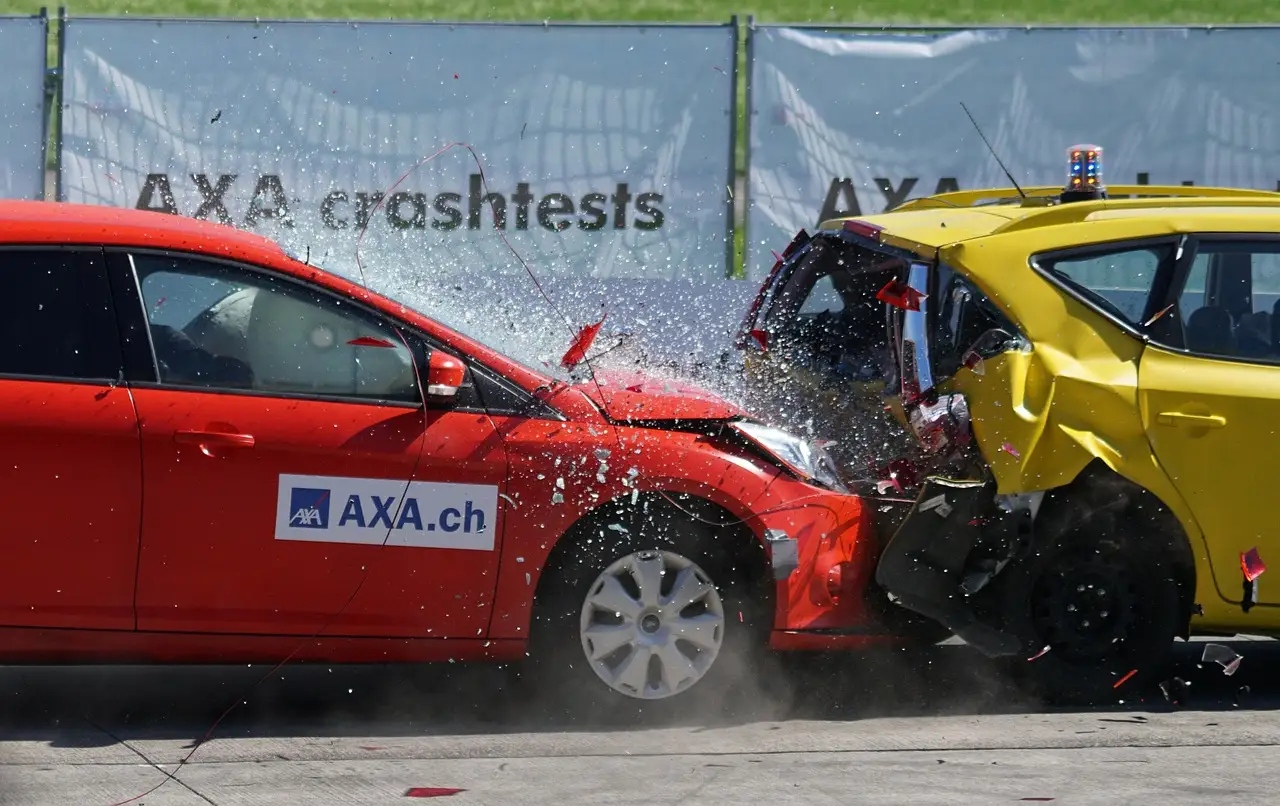
Car liability insurance pays people you injure or whose property you damage when you cause a covered crash. It usually splits into bodily injury liability and property damage liability, each with its own cap. It does not begin with your losses, it begins with claims other people make against you, which is how the Insurance Information Institute explains auto liability coverage.
The basic promise after an at-fault crash
In auto insurance, liability coverage pays the people you hurt and the owners of property you damage if you are legally at fault for a covered accident. Depending on the policy wording, the insurer may pay injury claims, vehicle or property repair bills, and certain related legal costs, but only within the policy’s terms and limits. The NAIC consumer guide to auto insurance and the Insurance Information Institute both describe bodily injury and property damage as the two main liability claim types.
That outward focus matters. Liability coverage pays amounts you are legally required to pay someone else after a wreck, such as an injured driver’s medical bills or the cost to fix a damaged fence. It is not the coverage that repairs your own bumper or pays your own emergency room bill.
Bodily injury liability
Bodily injury liability can pay for other people’s medical bills and injury-related losses when the insured driver is at fault. That may include ambulance charges, hospital care, follow-up treatment, lost wages, and pain-and-suffering claims if they are included in a settlement or judgment.
Who can make those claims depends on the crash. Another driver can. So can that driver’s passenger, your passenger, a bicyclist, or a pedestrian. The key issue is not where they were sitting. It is whether the insured driver is legally responsible for the injury.
Property damage liability
Property damage liability pays for damage to someone else’s car or other property. In a crash, that can include a vehicle, fence, mailbox, wall, garage door, storefront glass, or similar property damaged by the driver at fault. The III’s overview of auto insurance policy parts uses the same basic distinction between bodily injury claims and damage to another person’s property.
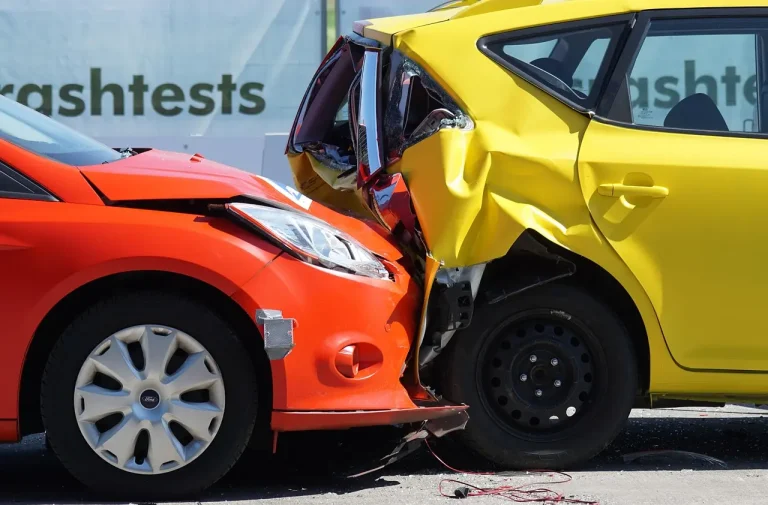
Suppose your car slides on a rainy corner and hits a parked pickup, then pushes it into a brick mailbox. The property damage portion is the part that can pay the pickup owner and the homeowner, up to the property damage limit. It does not repair the at-fault driver’s own car.
Who gets paid first
Claims are usually grouped by type of loss, not by who complained first at the scene. Injury claims are evaluated under bodily injury liability. Vehicle and other property claims are evaluated under property damage liability. Within those categories, the insurer investigates fault, values the loss, and pays covered claims up to the applicable cap.
That is why the split between bodily injury and property damage matters so much. A policy can still have money left for one category after the other is used up. If the injury limit is exhausted, the property damage limit does not automatically shift over to pay more medical claims unless the policy uses a combined single limit.
What does liability insurance not cover?
Liability insurance does not pay to repair the policyholder’s own car, and it usually does not pay the policyholder’s own injuries unless another coverage applies. It also commonly excludes intentional damage and may restrict some business or commercial use, depending on the personal auto policy terms.
Your own car repairs
If the insured driver causes the crash, liability coverage pays the other side first. Damage to the insured vehicle is a separate issue handled by collision coverage, if the policy has it. No collision coverage means no payment from your own policy for your own crash damage in that at-fault scenario.
This is where many first claims go wrong. Drivers hear “damage coverage” and assume that includes their own hood, grille, or quarter panel. It does not. Property damage liability is for the other person’s property. For a side-by-side explanation, see how full coverage differs from liability-only protection.
Your own injuries
Liability insurance generally does not pay the at-fault driver’s own medical bills. Those may fall to health insurance, medical payments coverage, personal injury protection where offered, or another driver’s liability coverage if that other driver was actually at fault.
Does liability insurance pay for your own injuries? Usually no, not when it is your liability coverage and you caused the wreck. Bodily injury liability is aimed at other people’s injury claims, separate from the policyholder’s own injury protection.
Intentional damage and other exclusions
Intentional damage is commonly excluded. In plain terms, if a driver deliberately uses a car to damage a vehicle, strike property, or injure someone, that is treated differently from an accidental crash and usually falls outside liability coverage. That approach is consistent with standard consumer explanations of policy exclusions, including the NAIC auto insurance guide.
Other exclusions can matter too. Racing, using a vehicle without permission, or certain criminal acts can create coverage disputes. The exact wording differs by insurer, but the pattern is steady: liability coverage is built for accidental, covered auto losses, not deliberate harm.
Business or commercial use on a personal policy
Some personal auto policies limit coverage for business or commercial use. That does not mean every work-related trip is excluded. Commuting is often treated differently from carrying passengers for pay, making regular deliveries, or using the vehicle mainly for business operations.
A common first-timer mistake is assuming a personal policy works the same way when the car is used for commuting to an office and when it is used to make paid deliveries all evening. Those are different risks. When a policy has a business-use restriction, the claim dispute starts with that policy section before anyone gets to payment amounts.
Bodily injury vs property damage liability
What bodily injury liability can pay
Bodily injury liability addresses injury claims made by other people after an at-fault crash. Insurance materials commonly describe liability cover as helping with medical bills, lost income tied to injuries, and legal fees when a covered claim turns into a dispute.
If several people are hurt, the policy may apply a separate per-person cap and a total per-accident cap. Once the bodily injury bucket is exhausted, later claimants may have to look to the at-fault driver personally for the unpaid amount.
What property damage liability can pay
Property damage liability pays for repair or replacement of property damaged in the crash. The most obvious example is the other vehicle, but claims can expand fast when a car also hits landscaping, a guardrail, a utility box, or a building façade.
That is why even a crash with no ambulance can become expensive. One vehicle claim can turn into multiple property claims, all drawing from the same property damage limit in a split-limit policy.
Passengers, pedestrians, parked cars, and borrowed property
If the insured driver is at fault, bodily injury liability can apply to people in the other car, to passengers riding with the insured driver, and to pedestrians. Property damage liability can apply to a parked car, a fence, or other damaged property belonging to someone else.
Picture a left turn across traffic at an urban intersection. The insured driver clips an oncoming sedan and also injures a passenger riding in the insured car. Bodily injury liability can face claims from both vehicles’ occupants if the insured driver caused the crash. Property damage liability deals with the damage to the sedan and any other property struck.
Why the caps are often separate
Many auto policies use split limits, which means bodily injury liability and property damage liability are capped separately. That structure keeps one type of loss from automatically consuming the whole policy. It also creates obvious failure points when one category, especially injuries, rises past its own cap.
An alternative is a combined single limit, where one pool can be used for injury and property claims together. That gives more flexibility in mixed-loss crashes, but the total pool is still finite.
How does car liability insurance work after an accident?
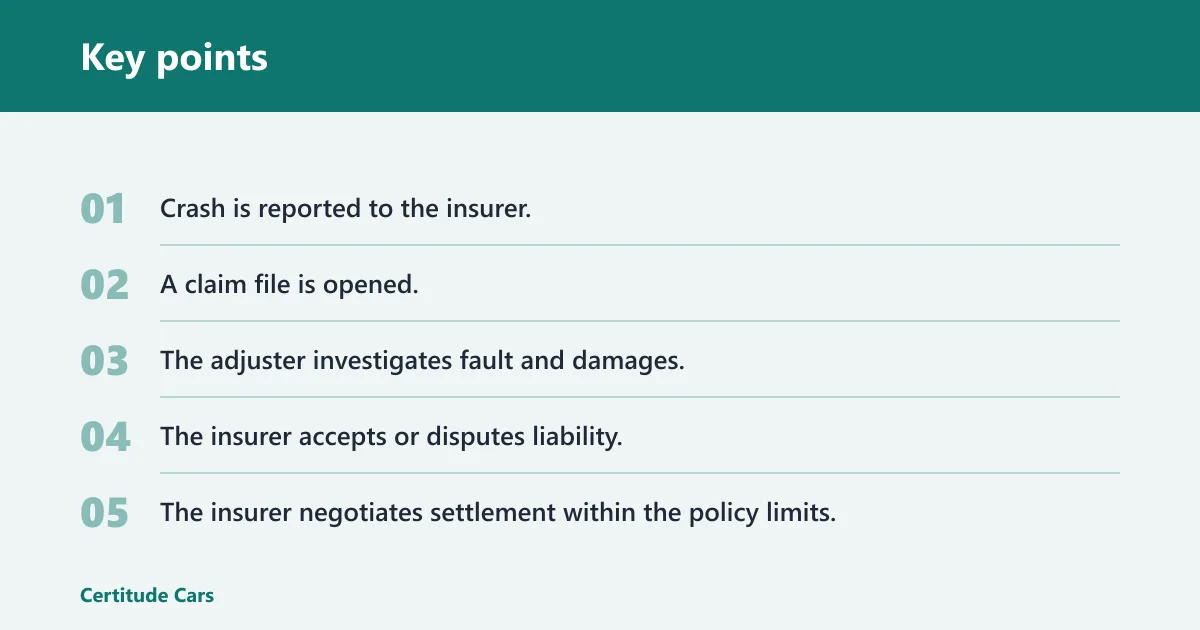
After an at-fault crash, the process usually runs in a set order: report the crash, open the claim, let the insurer investigate fault and damages, then move toward settlement or defense if a lawsuit follows. Liability coverage works through that claims process, not by automatic payment at the scene.
Report the crash and open the claim
The insured driver should report the accident promptly and give the insurer the basic facts: who was involved, where it happened, what was damaged, whether anyone reported injuries, and whether police responded. The other driver may also file directly against the at-fault driver’s insurer.
Useful records include photos, the police report number if one exists, witness contact details, and repair estimates or medical documentation as the claim develops. Early facts matter because they shape both fault review and reserve setting inside the claim.
How fault is investigated and decided
An adjuster reviews statements, photos, crash reports, vehicle damage, and local traffic rules. In some cases the outcome is clear. In others, fault is shared or disputed. State negligence rules affect how much the insurer may owe if more than one driver contributed.
The insurer is not required to accept every demand at face value. It investigates whether the insured driver was legally liable and whether the claimed injuries or property damage were caused by this crash and are reasonable in amount.
How adjusters value injuries and property damage
Property damage is usually the faster part. The insurer reviews repair estimates, photos, parts pricing, labor times, and total-loss value if a vehicle is not economical to repair. Injury claims take longer because treatment may continue for weeks or months before the full value is clear.
For bodily injury, adjusters typically evaluate medical records, billing, wage-loss documentation, and the nature of the injury claim. Settlement often waits until treatment stabilizes enough to value the claim with some confidence.
Settlement, release, and possible lawsuit
If liability is accepted and the amount is agreed, the insurer pays the claimant up to the policy limit and usually seeks a release that resolves the claim. If the parties cannot agree, or the injuries are serious, the claim can turn into a lawsuit.
- Crash is reported to the insurer.
- A claim file is opened.
- The adjuster investigates fault and damages.
- The insurer accepts or disputes liability.
- The insurer negotiates settlement within the policy limits.
- If no agreement is reached, the insurer may appoint defense counsel under the policy terms.
Liability limits explained
Split limits
Split limits divide coverage into separate caps: one maximum for bodily injury to any one person, one total bodily injury maximum for the accident, and one separate property damage maximum for the accident. The common shorthand is shown as three numbers in that order.
That structure creates a clear sequence. First, identify whether the claim is for injury or property. Next, apply the correct sublimit. For injury claims, check both the per-person ceiling and the total accident ceiling. For property claims, apply the property damage ceiling.
Combined single limit
A combined single limit uses one total pool for covered bodily injury and property damage claims from the same crash. There is no separate property damage bucket and no separate bodily injury accident bucket in the same way a split-limit policy has them.
That can help in a crash with heavy property loss and lighter injuries, or the reverse. But once the single pool is exhausted, there is nothing left for either category.
How multiple injuries can exhaust a cap
The per-accident bodily injury cap is often where serious crashes hit the wall. One injured person can trigger the per-person limit. Several injured people can also hit the per-accident total even if none reaches the per-person maximum alone.
Say your car drifts across the center line and hits a minivan carrying a driver and two passengers. Even moderate injuries across several people can use up a low bodily injury accident limit quickly. Once that happens, unpaid claims do not disappear. They simply move past the insurer’s payment obligation and toward the at-fault driver.
Why limits matter more than the deductible here
Deductibles usually do not govern liability claims the way they govern collision claims. The practical question is not “What is the deductible?” It is “How much coverage is available for other people’s claims before the driver starts paying personally?”
That is why liability buying decisions should focus on limits, not on the phrase “full coverage,” which often causes confusion. Collision and comprehensive protect the insured vehicle against different kinds of loss. Liability protects against what the insured driver may owe others. If you are comparing policy parts, it also helps to understand how liability works alongside uninsured motorist protection rather than in place of it.
Liability insurance table
| Scenario | Who is paid | Liability sublimit that applies | What the insurer typically handles | What the driver may still owe |
|---|---|---|---|---|
| Minor fender-bender | Owner of the other car for bumper, paint, rental, and related damage | Property damage liability | Claim intake, fault review, damage estimate, repair settlement | Own car repairs if no collision coverage; any amount above the property damage limit |
| Injury crash | Injured driver, passengers, or pedestrians for medical bills and injury-related losses | Bodily injury liability, subject to per-person and per-accident caps if the policy uses split limits | Investigation, medical record review, settlement talks, payment up to the limit | Own injuries unless another coverage applies; any bodily injury amount above the limit |
| Parked-car damage | Owner of the parked car and any other property owner, such as a fence or mailbox owner | Property damage liability | Owner contact, estimate review, total-loss or repair payment, property settlement | Own vehicle damage; unpaid balance if several property claims exceed the cap |
| Claim above limits | Claimants are paid up to the available policy limits first | The exhausted bodily injury or property damage limit, or the exhausted combined single limit | Negotiation within limits, possible tender of limits, effort to settle covered claims | Excess settlement demand, unpaid judgment, possible wage or asset exposure |
| Lawsuit | Claimants if the case settles or a judgment is entered on a covered claim | The same liability limit structure still controls payment of damages | Defense counsel, court filings, negotiations, legal advice and representation under the policy terms | Amounts outside coverage, amounts above limits, or costs if the claim falls outside policy terms |
Will liability insurance pay legal fees after a crash?
Often yes, if the lawsuit arises from a covered auto accident and the policy requires the insurer to defend. That usually means the insurer hires counsel, responds to the suit, and negotiates settlement. Defense help follows the policy terms, so it is broad but not unlimited in every situation.
When the insurer provides a defense
If someone sues the insured driver over a covered crash, the insurer typically decides whether a defense is owed based on the allegations and the policy language. Consumer materials from the Insurance Information Institute and insurer policy glossaries commonly note that liability coverage can include a legal defense for covered claims, but the exact duty depends on the contract and the allegations made in the suit.
This defense duty matters even before any judgment exists. A lawsuit generates deadlines, pleadings, discovery demands, and settlement pressure. Most drivers are not prepared to handle that alone.
Attorney fees, court costs, and settlement negotiations
Liability cover can help with legal fees, and many policies also address court costs and settlement handling for covered claims. The insurer’s appointed lawyer usually defends the case while the claims side evaluates settlement options within the policy limits.
That does not mean every dollar spent in the dispute is covered without limit. Policy wording controls whether certain defense costs are paid in addition to the liability limits or count within them, and personal auto policies are not uniform on every procedural detail.
Partly covered claims and where defense stops
Some lawsuits mix covered and uncovered allegations. The insurer may defend under a reservation of rights while it sorts out whether every claim falls inside the policy. If a claim is clearly excluded, such as intentional damage, the insurer can deny coverage for that part.
Defense help also reaches its edge when the policy terms say it does. Once a claim is outside coverage, or the legal issue is unrelated to a covered auto accident, the policy may stop paying for the fight.
What happens if damage is higher than your liability limits?
If the loss is larger than your liability limits, the insurer generally pays only up to those limits and the remaining amount can become your responsibility. That is the core failure case in low-limit auto insurance: the policy works, but it stops before the bill does.
How unpaid amounts become the driver’s problem
After the insurer pays the maximum available under the policy, claimants can still pursue the at-fault driver for the unpaid balance. That can happen through continued settlement demands or through a lawsuit seeking a judgment for the excess amount.
Low limits often look adequate in small crashes. They break down in multi-vehicle wrecks, injury cases with ongoing treatment, or crashes involving expensive vehicles and damaged structures.
Settlement pressure and excess exposure
When losses clearly exceed limits, the insurer may try to settle within the available coverage. But there is no guarantee the claimants will accept that amount. If they do not, the excess exposure remains with the driver.
That is where out-of-pocket risk starts in plain terms: unpaid medical bills claimed against the driver, repair costs above the property damage cap, lost wages, pain-and-suffering demands, and a possible judgment that survives beyond the policy payment.
Judgments, wage risk, and personal assets
A judgment can expose wages, savings, and other assets, subject to state law on collection and exemptions. The article’s practical takeaway is simple: the insurer’s duty to pay is capped by the policy, but the driver’s legal liability may not be.
State minimums are often the weakest point here. They satisfy the legal requirement to drive, yet they may be too low for a serious injury crash or a chain-reaction property damage loss. For a related explanation of why the law requires this coverage in the first place, see liability coverage.
How much liability insurance do you need for your car?
The right liability limit starts with the state minimum, then moves beyond it based on what could realistically be claimed against you. Higher limits make sense when the driver has more assets, more income at risk, more time on the road, more passengers, or more exposure to costly vehicles and property.
State minimum requirements and why they vary
Every state sets its own minimum liability requirement or a comparable financial-responsibility rule. Driving without the required minimum can trigger penalties such as fines, registration issues, license suspension, or proof-of-insurance filings after a violation.
The minimum is a legal floor, not a recommendation for adequate protection. States choose those numbers differently, and they do not move in step with current medical costs or vehicle repair prices. For current 50-state requirement summaries, the Insurance Information Institute’s automobile financial responsibility laws by state is a useful starting point, and drivers should confirm final details with their own state DMV or insurance department.
A practical way to choose limits above the minimum
Start with the minimum required where the vehicle is registered. Then look at what would happen if one bad crash produced injury claims from several people and property claims involving more than one vehicle. If that scenario would threaten savings or future earnings, the minimum is likely too low.
A sound framework is to match limits to exposure: assets that could be reached, income that could be targeted, and the size of claims common in the places you drive. Higher limits are easier to justify than to replace after a judgment.
Factors that raise exposure
Long commutes, frequent highway driving, dense urban traffic, teen drivers on the policy, regular passengers, and areas with higher vehicle values all increase the chance that a basic limit will be exhausted. Even parked-car damage can be expensive if several vehicles or structures are involved.
Personal liability guides often say accidental injury or property damage caused by you or listed people on your policy can trigger reimbursement. In auto terms, that means every listed driver’s habits and routes matter when setting limits.
How liability differs from collision, comprehensive, and uninsured motorist coverage
Liability coverage pays others when the insured driver causes harm. Collision coverage repairs the insured car after a crash, regardless of fault, subject to the policy terms and deductible. Comprehensive covers non-collision losses such as theft, hail, or fire.
Uninsured or underinsured motorist coverage works from the opposite direction of liability. It can protect the insured person when another driver causes the crash and does not carry enough insurance. That is why liability alone is incomplete for many drivers even when it meets the law. If you are comparing these pieces together, the most common misunderstanding is assuming liability also protects your own car the way collision does.
Liability vs other auto coverages at a glance
Liability vs collision
Liability pays for other people’s injuries or property damage when you are at fault for a covered crash. Collision is the part that usually pays to repair your own vehicle after a crash, regardless of fault, subject to the deductible and policy terms. The two coverages solve different financial problems.
Liability vs comprehensive
Comprehensive usually addresses non-collision damage to your own vehicle, such as theft, vandalism, hail, or fire. Liability does not step in for those losses because there may be no injured third party making a claim against you. If your concern is weather, theft, or animal strikes, liability is not the answer.
Liability vs uninsured/underinsured motorist coverage
Liability covers the harm you cause to others. Uninsured and underinsured motorist coverage can help protect you if another driver causes the crash and carries too little insurance or none at all. That is why drivers shopping only for the legal minimum should compare both legal compliance and protection against other people’s low limits.
Minimum required vs recommended limits
State minimums are set by law and are often enough only to keep a vehicle legal to drive. Recommended limits are a risk-management judgment based on how much injury and property damage a real crash can produce. The legal minimum may be common because it is cheaper, but it is not the same as adequate protection.
Frequently asked questions
What is bodily injury liability vs property damage liability?
Bodily injury liability pays other people’s injury-related claims when the insured driver is at fault, including medical bills, lost wages, and some pain-and-suffering claims. Property damage liability pays for damage to someone else’s vehicle or property. In many policies, the two are capped separately, so one limit can be exhausted while the other remains available.
Does liability insurance pay for my own injuries?
Usually no. Your liability coverage is meant to pay people you injure, not the at-fault driver’s own medical bills. Your injuries may instead be handled by health insurance, medical payments coverage, personal injury protection where available, or another driver’s liability coverage if that other driver caused the crash.
Why is liability insurance required for drivers?
States require liability coverage because crashes create legal obligations to other people. Minimum insurance helps ensure an at-fault driver can pay at least part of the resulting injury or property-damage claims. The exact requirement varies by state, but the purpose is consistent: protect victims from going entirely unpaid.
What happens if the damage is higher than my liability limits?
If damages exceed your limits, your insurer generally pays up to the policy maximum and no more. The unpaid balance can still be pursued from you through settlement demands or a lawsuit. That is the practical danger of low limits: coverage responds, but your personal financial exposure begins where the policy stops.
What are state minimum liability insurance limits?
They are the lowest liability limits a state allows a driver to carry and still meet its financial-responsibility law. Minimums differ by state and may be expressed as split limits or another required structure. They satisfy the law, but they are often not enough for serious injuries, multiple claimants, or expensive property damage.
Sources
- National Association of Insurance Commissioners (NAIC): Auto Insurance
- Insurance Information Institute: Understanding Your Auto Insurance Policy
- Insurance Information Institute: Automobile Financial Responsibility Laws by State